From milk collection to packed milk: the machines a dairy plant needs
A step-by-step guide to processing milk, the machine that does each job, and how to ask Jantrayan for a quotation.
A step-by-step guide to processing milk, the machine that does each job, and how to ask Jantrayan for a quotation.
Type a machine name or a step of the work.
No match yet. Tell us what you need and we will help. Get a quote
Step 1: Milk reception and testing
Tests a small milk sample for fat, protein and added water, so each farmer’s milk can be graded.
Availability subject to feasibility check
Request this machineStep 1: Milk reception and testing
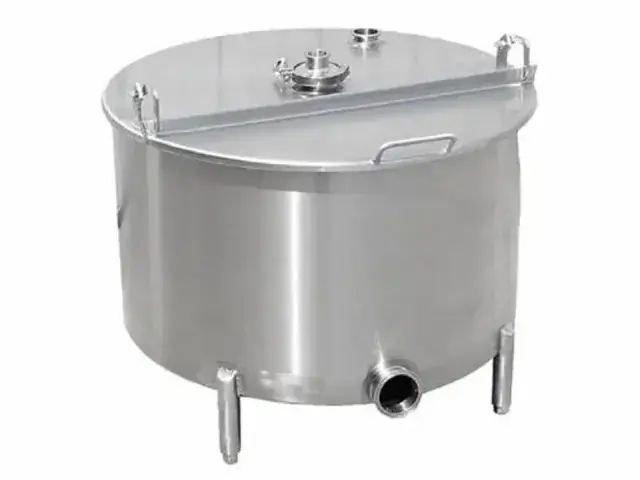
A stainless steel tank on load cells where cans are tipped in, so every delivery is weighed before it is chilled.
Availability subject to feasibility check
Request this machineStep 2: Chilling
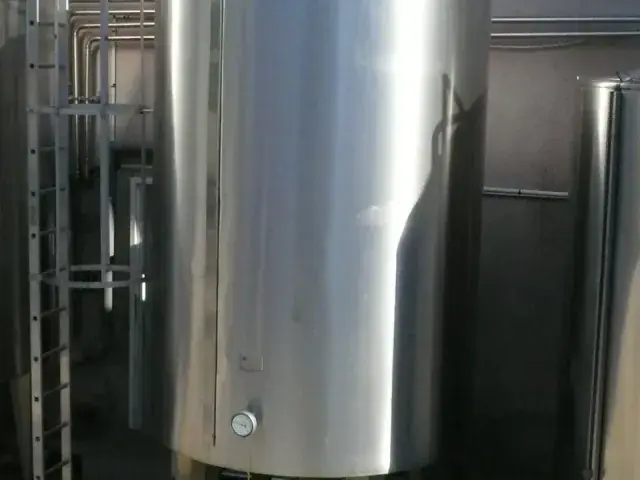
An insulated tank with a stirrer and its own refrigeration unit that cools fresh milk quickly and holds it cold.
Availability subject to feasibility check
Request this machineStep 2: Chilling
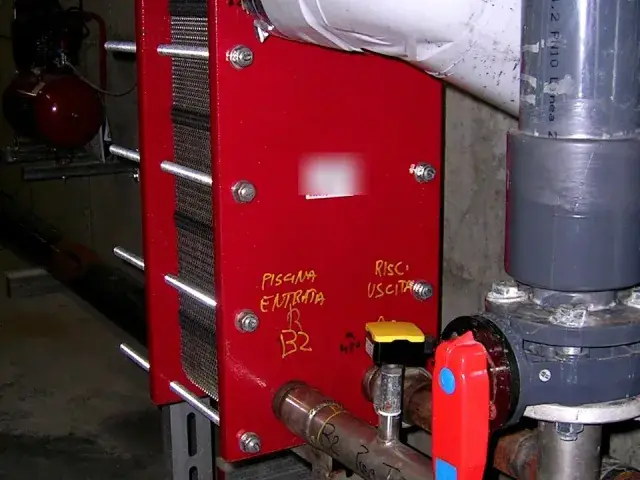
Thin metal plates with milk on one side and chilled water on the other, cooling milk as it flows on to storage.
Availability subject to feasibility check
Request this machineStep 3: Separation and standardising
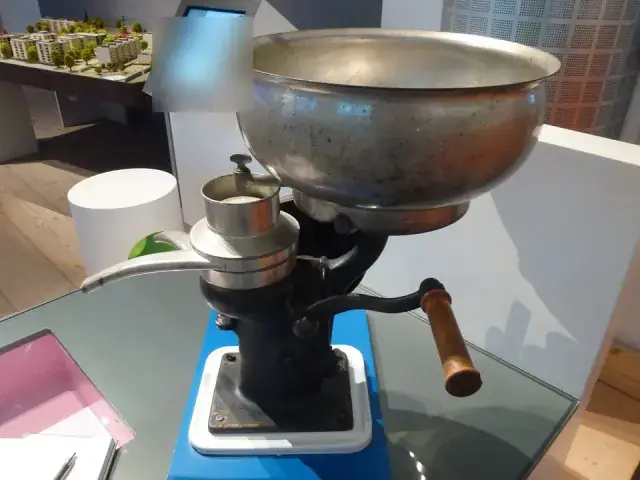
A fast-spinning bowl of stacked discs that splits whole milk into cream and skim milk.
Availability subject to feasibility check
Request this machineStep 4: Pasteurising
Heats milk to a set temperature, holds it there long enough to kill harmful germs, then cools it straight away.
Availability subject to feasibility check
Request this machineStep 4: Pasteurising
A pack of plates in a frame where hot and cold liquids pass on either side, used to heat and then cool milk in a pasteuriser.
Availability subject to feasibility check
Request this machineStep 5: Homogenising
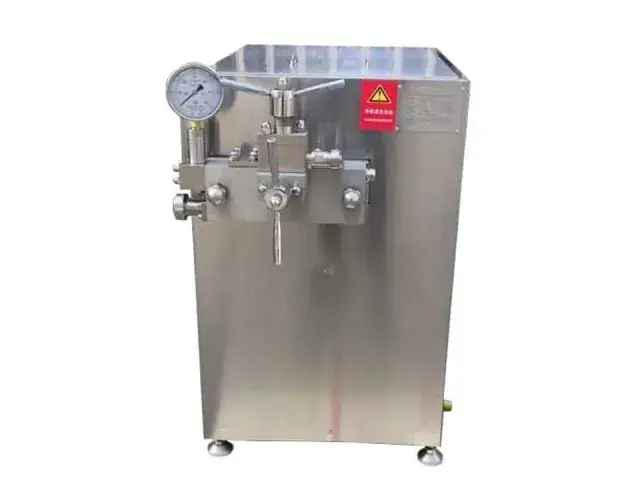
A high-pressure pump that forces milk through a narrow gap, breaking fat into tiny drops so cream does not rise.
Availability subject to feasibility check
Request this machineStep 6: Filling and packing
Forms a tube from plastic film, fills it with a measured amount of milk and seals it into pouches.
Availability subject to feasibility check
Request this machineStep 6: Filling and packing
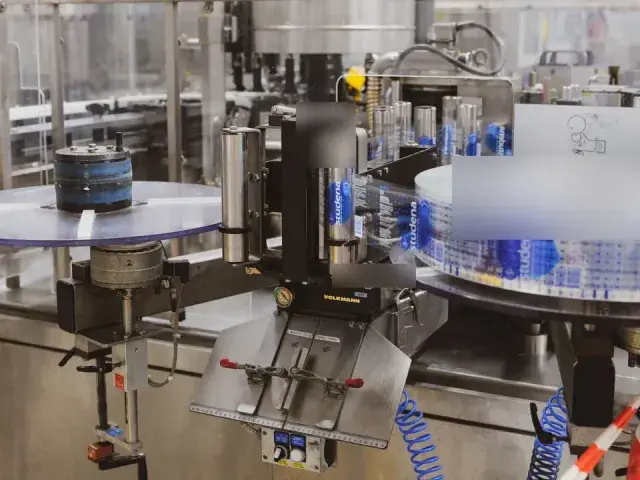
Fills bottles to the same level on a conveyor and screws or presses a cap onto each one.
Availability subject to feasibility check
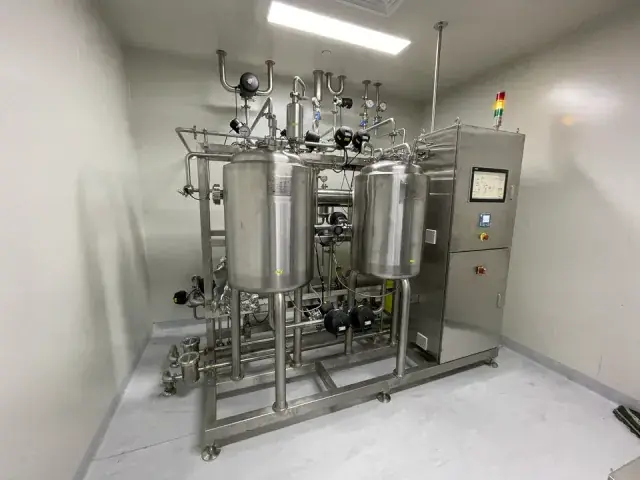
Request this machineStep 7: Cleaning in place
Tanks, a pump and valves that circulate hot water, cleaning solutions and rinses through pipes and tanks without taking them apart.
Availability subject to feasibility check
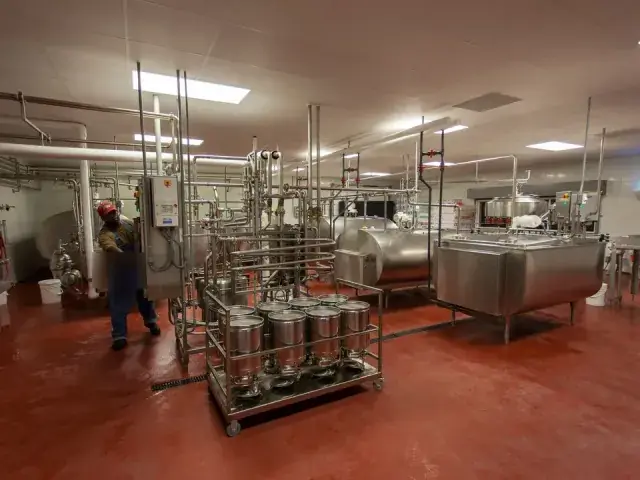
Request this machineThe main steps in a liquid-milk plant, from the farmer’s can to the packed product, and the type of machine that usually does each one.
Milk arrives in cans or tankers, is weighed, and is tested for fat, freshness and added water before it is accepted.
Machines at this step: Milk analyser, Reception tank with weighing
Raw milk is cooled quickly and kept cold, because bacteria grow fast in warm milk.
Machines at this step: Bulk milk cooler, Plate chiller
Cream is spun out of the milk, then fat is added back to the level each product needs.
Machines at this step: Cream separator
Milk is heated to a set temperature for a set time and cooled again, which kills harmful bacteria.
Machines at this step: Pasteuriser, Plate heat exchanger
Fat droplets are broken into tiny ones under pressure, so cream does not rise to the top of the pack.
Machines at this step: Homogeniser
Milk is filled into pouches, bottles or cartons, sealed, coded with the date, and moved to cold storage.
Machines at this step: Pouch filling machine, Bottle filler and capper
Between runs, pipes and tanks are washed with hot water and cleaning solutions without taking them apart.
Machines at this step: Clean-in-place (CIP) system
See which farm machine does each field job, from land preparation to harvest.